Create Playful 3D Typography with the Jelly Editable Text Effect
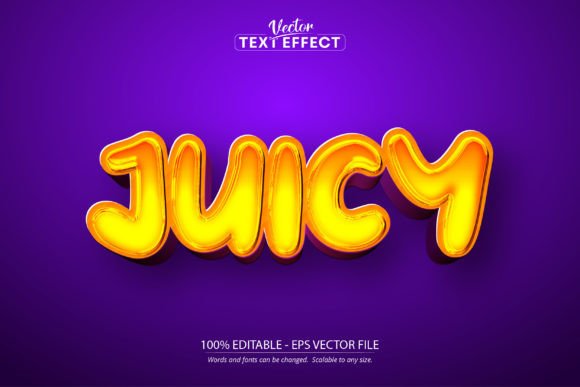
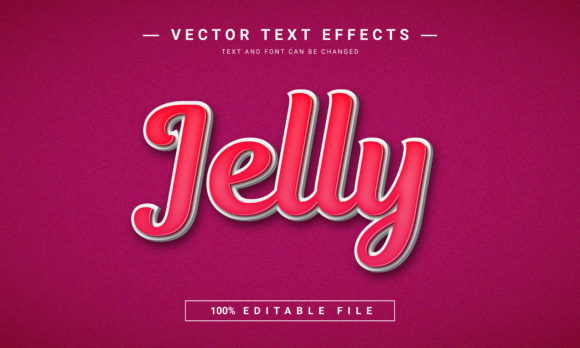
There’s a specific kind of energy that comes with a design that feels tactile—like you could reach out and touch it. In the crowded world of digital content, where flat and minimalist designs have dominated for years, there is a refreshing resurgence of three-dimensional, textured typography that commands attention. If you are looking to inject some personality, fun, and depth into your projects, the Jelly Editable Text Effect offers a versatile solution that bridges the gap between professional polish and playful aesthetics. It captures that glossy, pliable look of gelatin, creating a visual that is impossible to ignore on a website banner or a social media feed.
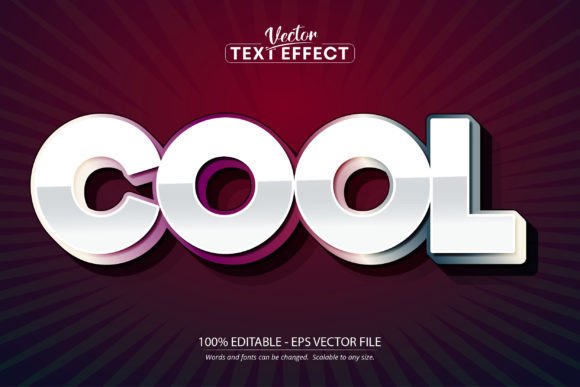
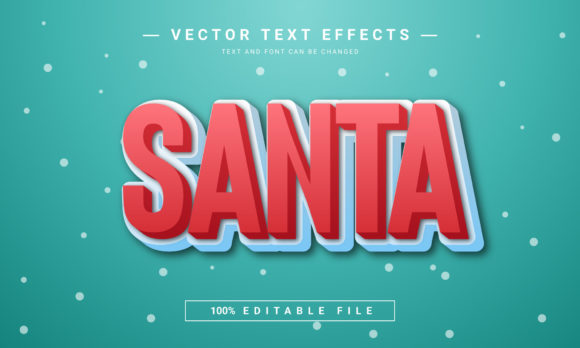
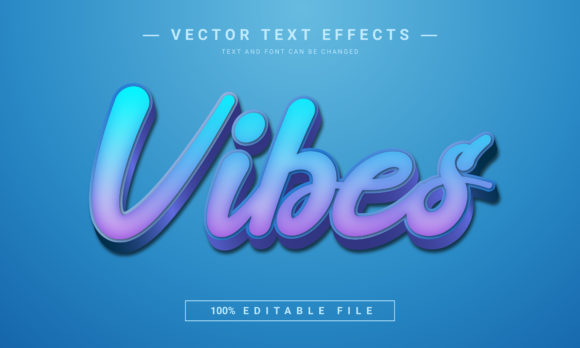
What makes this particular asset stand out in a sea of design tools is the sheer flexibility it offers. We have all been there: you download a cool text effect only to realize you are stuck with the specific word written in the preview, or changing the font requires a degree in advanced Photoshop wizardry. This 3D text effect is 100% editable. You can make any text as this effect by only copy, paste, or typing your text. Font, Letters, Sizes, Colors can be easily changed. This adaptability is crucial for anyone managing a brand or a variety of clients, ensuring that the visual style can adapt to the message rather than the other way around.
A Versatile Asset for Modern Creators
For the small business owner or the freelance designer, time is a currency just as valuable as money. You could create an amazing poster, KDP paperback, Facebook cover, website banner, game, or merchandise design with this text effect without starting from scratch. The utility of a premium font effect like this lies in its ability to serve multiple masters. Consider the visual consistency required for a brand identity; you need assets that look cohesive across different mediums. Whether you are designing a header for a newsletter or a physical invitation for an event, the ability to maintain that specific 3D gel aesthetic ensures your brand recognition remains strong.
Let’s break down where this style truly shines. It isn't just about looking "cute" or "fun," though it certainly does that well. It is about visual communication that triggers a specific emotional response.
- Branding and Logo Design: For brands targeting younger demographics, lifestyle products, or food and beverage industries, a glossy, jelly-like typeface conveys freshness and approachability. It moves away from the stiff corporate look and invites the audience in.
- Packaging Design: Physical products need to pop on the shelf. A 3D text effect can simulate how a label might look when embossed or printed with high-gloss varnish, giving you a realistic mockup before you go to print.
- Social Media Graphics: Algorithms favor engagement, and nothing stops a scroll quite like a 3D object in a 2D feed. Whether it’s an Instagram story or a Facebook ad, the depth of this effect increases audience engagement by adding a layer of visual interest that flat text simply cannot match.
- Digital Products and KDP: If you are an author or a publisher, the cover art is your primary sales tool. Using a creative font effect for a book title can instantly communicate the genre—be it a cookbook, a children’s story, or a quirky romance novel.
Practical Application: From Screen to Print
One of the most common struggles in modern typography is finding a balance between creativity and readability. A font might look beautiful in a headline, but if it turns into a blob when scaled down, it fails its primary function. The Jelly Editable Text Effect is designed with display font principles in mind, meaning it excels in headlines, titles, and short bursts of text where impact is the goal. It provides professional presentation without sacrificing the whimsical nature of the design.
When integrating this into your workflow, consider the principles of font pairing. Because this effect is bold and has high visual texture, it pairs exceptionally well with clean, minimalist sans serif fonts or simple serif fonts for body text. You don’t want to compete for attention. Let the jelly effect be the star of the show for your headline, and use a straightforward typeface to ensure the supporting information is legible. This contrast creates a hierarchy that guides the viewer’s eye naturally from the creative hook to the informative content.
Furthermore, the adaptability of this typeface means you can tailor it to specific holidays or promotions. Need a spooky vibe for Halloween? Change the color to slime green. Promoting a summer sale? Switch to tropical pastels. Because Font, Letters, Sizes, and Colors can be easily changed, you aren't buying a one-trick pony; you are investing in a design asset that evolves with your marketing calendar.
Enhancing Your Visual Strategy
In the realm of web design and editorial design, the user experience is paramount. A website banner using a 3D effect can add depth to an otherwise flat layout, making the site feel more interactive and modern. However, it requires a strategic approach. Overusing a creative font can lead to visual clutter. The best practice is to use it for key call-to-action phrases or section headers where you want to inject personality.
For content creators and bloggers, the struggle to produce fresh, high-quality graphics is real. Stock photos can become stale, and custom illustration is expensive. A versatile design asset like the Jelly Editable Text Effect allows you to generate unique headers for blog posts or thumbnails for videos in minutes. This efficiency allows you to focus more on the content itself, knowing that the visual packaging is handled and professional.
Consider the psychological impact of color and shape in marketing assets. The "jelly" aesthetic is inherently associated with softness, flexibility, and sweetness. If your brand voice is friendly, helpful, or creative, this typography reinforces that message subconsciously. It builds a brand identity that feels human and approachable, which is a significant advantage in an era where consumers crave authenticity over corporate sterility.
Commercial Viability and Licensing
For designers working with clients, the commercial aspect of design assets is non-negotiable. When you find a resource that looks great, the first question must always be: "Can I use this for my client's project?" It is vital to review the licensing terms associated with any commercial font or effect. Most premium assets offer licenses that cover both personal and commercial use, but the specifics regarding print runs (for merchandise or KDP paperbacks) or digital distribution can vary.
Always ensure that the asset you are using is cleared for the specific application you have in mind, whether it is a limited run of wedding invitations or a mass-produced t-shirt design. This protects both you and your client. The value of a tool that is explicitly designed for these use cases—like a 3D text effect intended for posters and covers—is that it usually comes with the appropriate licensing structure for professional work.
Ultimately, the goal of any typography choice is to serve the project's objectives. The Jelly Editable Text Effect offers a specific flavor of creativity that can solve a variety of design problems. It provides a way to stand out in a saturated market, offering a tactile, engaging visual that resonates with audiences. By leveraging its editability and combining it with sound design principles, you can elevate your projects from standard to memorable, ensuring your message is not just seen, but felt.