Mastering the Green Glow Text Effect in Illustrator
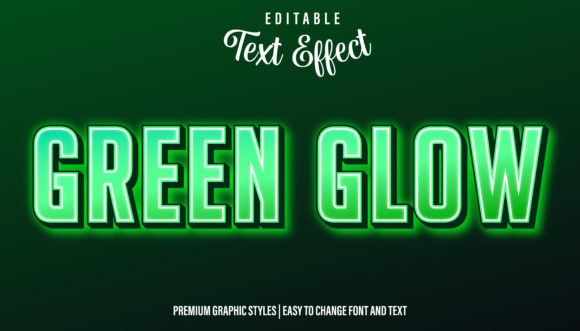
There is a specific energy that electric, neon-inspired typography brings to a project. It is the kind of visual punch that stops a viewer mid-scroll, mimicking the allure of a midnight city skyline or the interface of a high-tech gaming console. For designers looking to inject this modern, digital aesthetic into their work without spending hours manually tweaking gradients and outer glows, the Green Glow Text Effect Graphic Style offers a streamlined solution. This asset is not just about adding color to letters; it is about transforming standard vector elements into luminous focal points that command attention. Whether you are a seasoned graphic designer, a small business owner refreshing your brand assets, or a content creator looking for that viral thumbnail style, understanding how to leverage this style in Adobe Illustrator can significantly elevate your visual output.
The Anatomy of the Effect: Why Green?
Color psychology plays a massive role in design, and green is a powerhouse. It signals growth, energy, nature, and in its neon form, it often represents technology, the future, and vitality. The Green Glow Text Effect Graphic Style capitalizes on this by applying a specific blend of Illustrator appearance attributes—likely involving multiple fills, gaussian blurs, and opacity modes—to create a realistic light emission. This is not a static raster image; it is a fully editable vector style. This distinction is crucial for professional applications. Because it is a vector graphic style, you can scale your design from a business card to a billboard without losing the crispness of the glow. It bridges the gap between complex layer effects and ease of use, allowing you to apply a sophisticated "lit from within" look with a single click.
Practical Applications: From Branding to Digital Products
The versatility of a high-quality graphic style is what determines its return on investment. This particular effect shines across a diverse range of mediums, making it an essential addition to any designer's library of assets. It moves beyond simple text decoration to become a functional part of a marketing strategy.
For logo design, the green glow can help a brand stand out in a crowded marketplace. Imagine a fitness brand, an eco-tech startup, or a music festival using this style for their wordmark. It instantly communicates a specific vibe—modern, energetic, and slightly edgy. In the realm of social media graphics, attention spans are short. A YouTube thumbnail or an Instagram story featuring this glowing typography acts as a visual magnet, increasing click-through rates and engagement. It mimics the aesthetic popularized by gaming culture and cyberpunk art, appealing to younger, digitally native audiences.
Furthermore, the application extends to packaging design. For products like energy drinks, electronics, or even children's toys, a neon glow effect on the box art can make the product pop on the shelf. It creates a sense of excitement and premium quality. Even in editorial layouts for magazines or blogs, using this effect for pull quotes or drop caps can break up the monotony of text-heavy pages, guiding the reader's eye exactly where you want it.
Streamlining Your Workflow in Adobe Illustrator
One of the most significant barriers to entry for complex text effects is the time required to build them from scratch. Manually stacking appearance attributes, adjusting blend modes, and ensuring the glow looks realistic on different background colors is a tedious process. This is where the utility of the Green Glow Text Effect Graphic Style for Adobe Illustrator becomes evident.
The workflow integration is seamless. You simply drag and drop the style into your Appearance panel. This "plug-and-play" functionality is a game-changer for fast-paced environments like marketing agencies or freelance gigs with tight deadlines. Once applied, the text remains fully editable. You can change the font from a sleek sans-serif to a rugged display font, and the glow will adapt to the new letterforms. This flexibility allows you to pair the effect with different typefaces to match the specific tone of your project—whether that is a futuristic sci-fi theme or a retro 80s vibe.
Design Strategy: Pairing and Readability
While the effect is visually stunning, applying it requires a degree of strategic restraint to maintain readability and professional presentation. A glowing effect is inherently high-contrast and busy; therefore, the choice of typeface is paramount.
When selecting a font to pair with the Green Glow Text Effect, simplicity is your friend. Overly ornate script fonts or highly detailed serifs can get lost in the glow, making the text difficult to read. Instead, consider strong, geometric sans-serif typefaces or bold display fonts with generous spacing. These styles allow the light to wrap around the letters without obscuring the text structure. For example, a thick, blocky font will catch the light differently than a thin, delicate one, creating a heavier, more industrial look.
Consider the background environment as well. Neon effects rely on contrast. They typically look best against dark, desaturated backgrounds—think charcoal grey, deep navy, or black. Placing this effect on a busy, light-colored photograph might result in a muddy appearance. If you must use a light background, consider adding a dark shape or overlay behind the text to make the glow pop. This ensures your brand identity remains legible across all platforms, from mobile screens to print materials.
Commercial Viability and Licensing
For entrepreneurs and small business owners, the ability to use assets commercially is a non-negotiable requirement. When incorporating the Green Glow Text Effect Graphic Style into your work, it is vital to understand the licensing terms. Most premium design assets come with a license that allows for use in end products for sale, such as merchandise, t-shirts, or digital downloads, provided the source file itself is not resold.
This makes the asset incredibly valuable for creating marketing assets. You can use it to design a series of event posters, a header for your email newsletter, or graphics for your next product launch. The professional finish of a pre-made graphic style often rivals work that would otherwise require a senior designer, giving bootstrapped businesses access to high-end aesthetics. Always double-check the specific license attached to your download to ensure it covers your intended use case, whether that is for a client project or your own internal branding.
Expanding the Concept: Beyond Text
Do not limit your creativity to just typography. The prompt highlights that this style can be applied to logos, text, shapes, or lines. This opens up a world of possibilities for creative font projects and vector illustration. You can apply the green glow to simple line art to create glowing wireframes, or to solid shapes to create neon signage elements.
Imagine applying the effect to a set of icons for a website UI, giving the interface a futuristic, app-like feel. Or, use it on geometric borders to frame a poster layout. By treating the graphic style as a texture rather than just a font effect, you can build entire cohesive visual systems. This approach is particularly useful for web design elements, where you might want to create glowing buttons or navigation highlights that match your header text.
Final Thoughts on Visual Consistency
Ultimately, the goal of any design asset is to help you communicate more effectively. The Green Glow Text Effect Graphic Style is a powerful tool for creating immediate visual impact and establishing a distinct mood. It solves the technical challenge of creating complex vector effects, allowing you to focus on the creative strategy. By using this style thoughtfully—pairing it with the right fonts, testing it against various backgrounds, and applying it consistently across your marketing materials—you can build a brand presence that feels cohesive, modern, and undeniably eye-catching. It is a practical asset that serves the dual purpose of artistic expression and functional design, making it a worthy addition to any creative professional's toolkit.