Editable Canva Business Card #43: A Modern Networking Essential
Imagine walking into a networking event, a client meeting, or even a casual coffee catch-up and handing over a business card that doesn't just list your contact details—it tells a story. In a world saturated with generic, flimsy cards that often end up in the recycling bin, making a memorable first impression is more critical than ever. Your business card is a tiny ambassador for your brand, a tactile representation of your professionalism, style, and attention to detail. It’s not just paper; it’s a strategic piece of your marketing toolkit. This is where a thoughtfully designed, customizable template like Editable Canva Business Card #43 becomes an invaluable asset for anyone serious about their brand presentation.
Why a Sleek, Modern Template Changes the Game
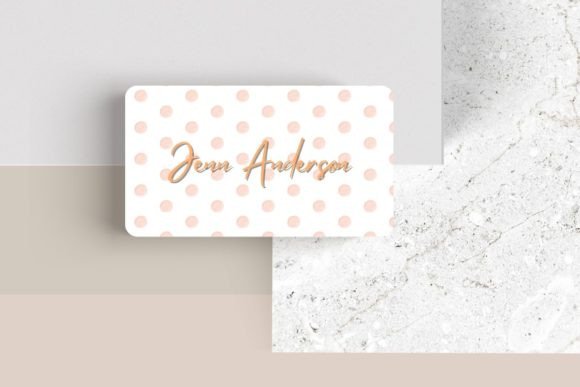
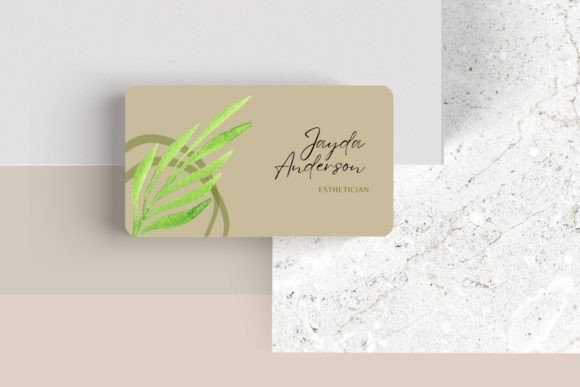
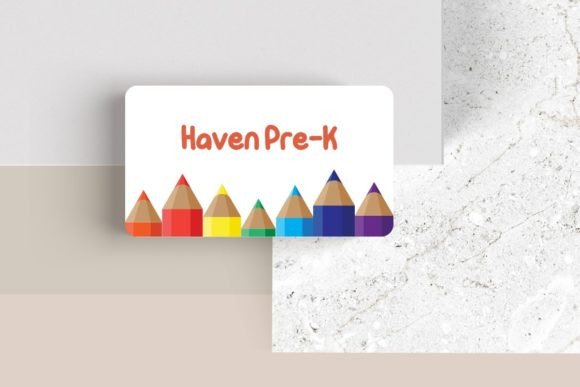
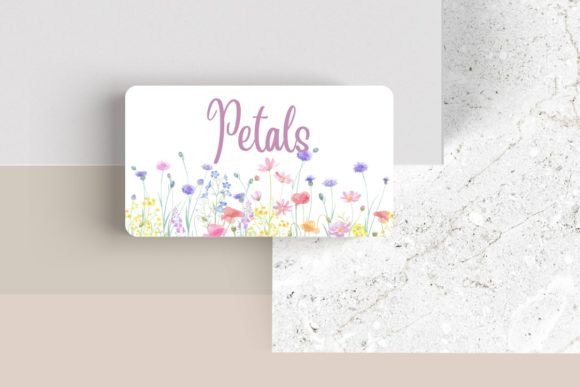
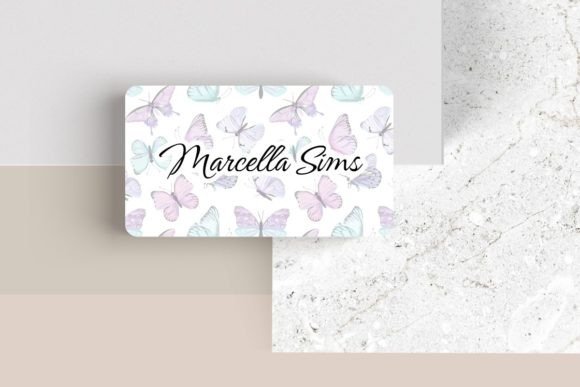
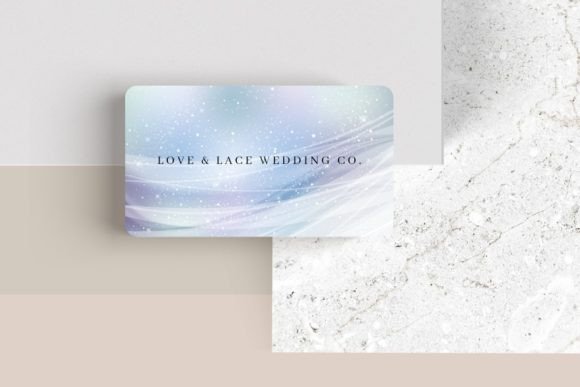
The Editable Canva Business Card #43 isn't just another template. Its visual appeal lies in its clean, contemporary aesthetic that balances professionalism with personality. The design typically features a harmonious layout, ample white space, and modern typography that ensures your information is the star. This isn't about flashy graphics that overwhelm; it's about sophisticated simplicity that communicates confidence. The sleek lines and balanced composition make it inherently versatile, suitable for a tech startup consultant, a freelance graphic designer, a boutique shop owner, or a corporate professional looking to update their look. The visual consistency it offers from the first glance is a subtle yet powerful form of brand recognition.
What truly sets this editable business card template apart is its foundation in Canva. This means you're not just getting a static PDF. You're getting a fully editable design system. You can swap out fonts, adjust colors to match your brand palette, move elements to create your perfect layout, and even add your own photography or intricate logo designs. This level of control is crucial because your business card should be as unique as your business. It bridges the gap between a high-end custom design and the accessibility of a DIY solution, giving you the creative font and layout flexibility of a premium tool without the steep learning curve or cost.
From Digital File to Tangible Brand Asset: Practical Applications
The true value of Editable Canva Business Card #43 extends far beyond the 3.5" x 2" rectangle you print. The design principles and customizable elements within it are a launchpad for broader brand identity work. Think of it as the cornerstone of a cohesive visual system. The fonts and color schemes you choose here can and should inform other materials.
For instance, the sans serif font you select for your card headline could become the primary typeface for your website headers and social media graphics, ensuring instant visual consistency. The accent color you use for your contact details can be carried over to your packaging design, creating a unified unboxing experience. The clean layout style translates beautifully to editorial design for a blog, to the design of digital products like PDF guides, or to the look of event invitations. Essentially, this business card template serves as a practical exercise in modern typography and layout that you can replicate across all your marketing assets, from posters to merchandise.
Making It Yours: Customization That Tells Your Story
The customization options are where you move from a great template to a perfect personal brand statement. Let's break down how to use them effectively.
Font, Color, and Size: This is your primary tool for setting the tone. A clean sans serif font like Montserrat or Raleway projects modernity and approachability. Pairing it with a subtle serif font for your name can add a touch of tradition and authority. For a creative or boutique brand, incorporating a tasteful script font or handwritten font for a tagline can inject warmth and personality. The key is readability—ensure your contact information is effortlessly legible at a glance. Test your font pairings by printing a draft at actual size. Does it still look clear?
Logo Integration: Your logo is the visual keystone of your brand. The template’s layout is designed to give it prominence without crowding. Upload a high-resolution version of your logo. If your logo is complex, consider using a simplified icon or monogram for the business card to maintain clarity. This exercise in restraint is excellent logo design practice, teaching you to adapt your mark for different contexts.
Layout and Element Control: The ability to move elements is a game-changer. Maybe you prefer your logo centered at the top instead of aligned to the left. Perhaps you want to add a subtle geometric pattern or a high-quality photo that represents your industry as a background texture. You can adjust spacing, add divider lines, or incorporate social media icons. This flexibility ensures the final product doesn't look like a template you filled in, but like a design asset crafted specifically for you.
Beyond the Basics: Strategic Considerations for a Lasting Impression
Before you hit "print," a few strategic checks can elevate your card from good to exceptional. First, consider your paper stock. A heavier, textured card stock (like 16pt or 18pt matte or linen) feels substantial and conveys quality, enhancing the professional presentation of your sleek design. Second, review your information hierarchy. Your name and title should be the most prominent text, followed by your primary contact method (like email or phone), then secondary details like website and social handles.
Think about your audience. A card for a corporate law firm will have a different vibe than one for a freelance illustrator, even using the same template. Tailor your color palette and font choices accordingly. A muted, sophisticated palette speaks to corporate clients, while bold, vibrant colors can attract a creative audience. This thoughtful alignment between design and audience is a core principle of effective visual communication and boosts audience engagement from the very first handshake.
Finally, if you plan to use any stock graphics, icons, or specialty fonts from Canva's library that you didn't create yourself, double-check the licensing for commercial use, especially if you're in a client-facing business. Ensuring you have the right permissions is a non-negotiable part of professional commercial font and asset usage.
Ultimately, Editable Canva Business Card #43 is more than a pre-made design. It's a toolkit for crafting a tangible piece of your brand story. It empowers you to take control of a critical touchpoint, ensuring that the card you hand over is a confident, cohesive, and compelling invitation to learn more about what you do. In the art of networking, that kind of thoughtful preparation is what makes you stand out from the crowd.