Editable Canva Business Card #54: Craft a Card That Captures Attention
In a world saturated with digital noise, the physical business card remains a powerful handshake. It’s a tangible piece of your brand that someone can hold, feel, and remember you by. Yet, so many cards end up in the recycling bin because they fail to make an impact. A generic template with a forgettable font and a cookie-cutter layout does little to convey the unique value you offer. This is where a thoughtfully designed, editable template changes the game, offering a professional foundation that you can transform into a true brand ambassador.
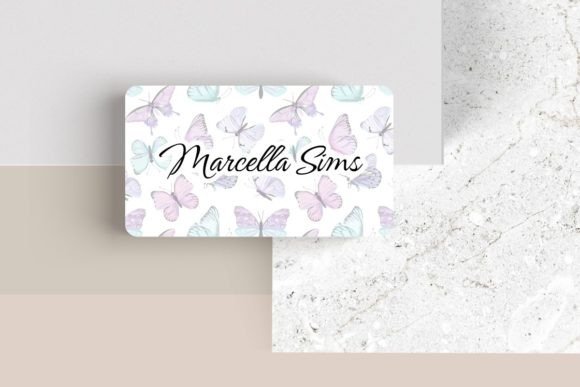
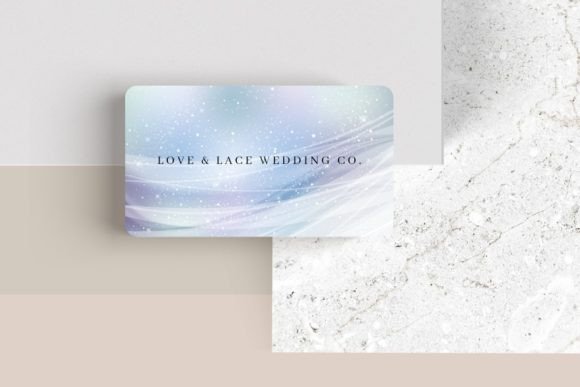
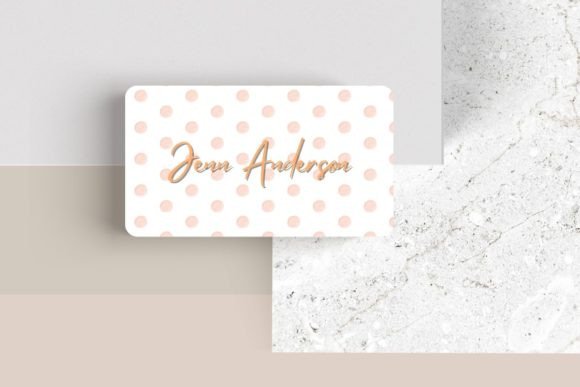
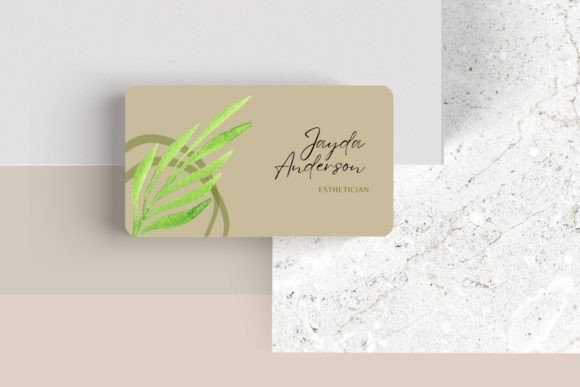
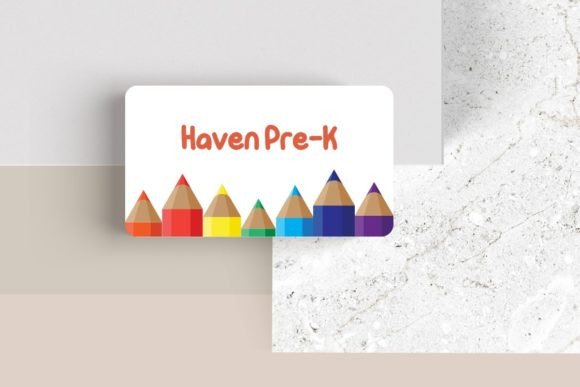
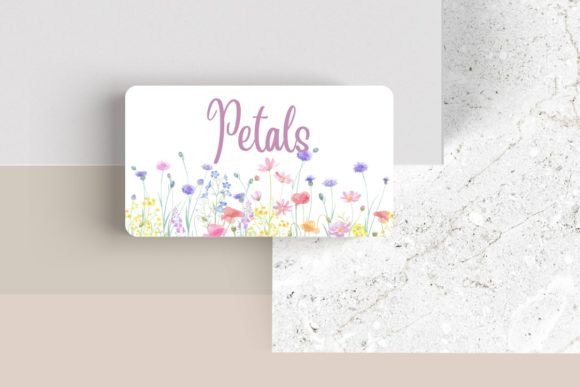
The Editable Canva Business Card #54 is built for this exact purpose. It’s not just a static file; it’s a dynamic starting point. The design leans into modern typography and clean lines, providing a sleek canvas that communicates professionalism without sacrificing personality. Its visual appeal lies in its balanced composition—ample white space ensures your information is easy to digest, while the strategic use of typography creates a focal point that guides the eye. The standard 3.5″ x 2″ dimensions ensure it fits perfectly into any wallet or cardholder, respecting both tradition and practicality.
More Than Just Contact Information: A Branding Tool
Think of your business card as a miniature billboard for your brand identity. The fonts you choose, the color palette, and the overall aesthetic should be a direct extension of your website, your social media presence, and your packaging. With this editable template, you’re not locked into a single look. You have the creative control to align every element with your existing brand assets.
For a freelance graphic designer, this might mean uploading a custom logo and selecting a bold, contemporary sans serif font that mirrors their portfolio site. A boutique baker could soften the template with a complementary script font for their name and a clean serif for the details, echoing the artisanal quality of their products. The ability to move elements around, add photos, or incorporate subtle graphic motifs means your card can tell a story. It becomes a piece of your editorial design strategy, a physical touchpoint that reinforces your brand's narrative every time it's handed over.
Practical Applications Across Your Projects
The design principles embedded in a strong business card template have far-reaching applications. The same mindset for creating a clear, impactful card informs effective social media graphics, where information must be communicated quickly and attractively. The typography choices you test here can become the cornerstone of your web design and blog headers, ensuring visual consistency across all platforms.
Consider these direct applications:
- Logo Design & Refinement: Use the template to experiment with how your logo interacts with different font styles and layouts before finalizing your primary brand mark.
- Packaging Design: The font pairings and color schemes that work on the card can be adapted for product labels, thank-you notes, and promotional inserts.
- Digital Products & Marketing Assets: The aesthetic can be translated into email headers, PDF guides, webinar slides, and digital invitations, creating a cohesive suite of design assets.
- Print Materials: The typography hierarchy is perfect for designing letterheads, flyers, and posters that require a clean, professional presentation.
Essentially, mastering the customization of your business card builds a foundational skill for all your visual communication. You learn how to balance readability with style, and how to use modern typography to evoke a specific feeling—whether that's trustworthiness, innovation, or creativity.
Making Smart Typography Choices
The template's flexibility is its greatest strength, but it also requires thoughtful decision-making. Choosing the right font isn't just about personal taste; it's about strategic communication.
Match the Font to Your Project's Goal: A law firm might benefit from a traditional, stable serif font to convey authority. A tech startup could opt for a geometric sans serif to signal innovation and clarity. A life coach might choose a friendly, approachable handwritten font for their name to create a personal connection. The Editable Canva Business Card #54 allows you to test these personalities in a real-world context.
Prioritize Readability Above All: A beautiful font is useless if it can't be read at a glance. Test your chosen typeface at the actual card size. Ensure the contrast between the font color and the background is sufficient. Avoid overly decorative scripts for body text; reserve them for accents or your name to maintain audience engagement without causing strain.
Explore Font Pairings: A common and effective strategy is to pair a distinctive display font for headlines with a highly legible sans serif font or serif font for the contact details. This creates a clear visual hierarchy. The template gives you the space to experiment with these combinations to see what feels harmonious and represents your brand's voice accurately.
From Template to Tangible Asset
The final step is ensuring your creation is ready for the world. Always review the included font styles and licensing. If you're using the card for commercial purposes, confirm that the fonts embedded in the Canva template are cleared for such use. Most standard Canva fonts are, but it's a crucial check for any commercial font you might add.
Once customized, download your design as a high-quality PDF for printing. The precision of the 3.5″ x 2″ format means you can confidently order prints from any service, knowing your design will crop perfectly. This process of taking a premium font-based template and personalizing it into a key marketing tool is the essence of smart, efficient branding. It’s about leveraging great design to make a lasting, professional impression that truly speaks volumes about who you are and what you do. Your business card becomes more than paper—it becomes a memorable piece of your brand's story.